Business Continuity with Cloud Solutions
What would a company do if it suddenly lost access to its data, applications, or systems? An unexpected issue, such as a blackout, a broken building, a malfunctioning computer and many more can disrupt the routine operations of any business.
Many companies understand that even a short idle period can result in missed deadlines, dissatisfied clients, lost revenue and reduced operational efficiency. If a critical information is stored only on computers at the office, then an incident can make the company's normal functioning impossible. That’s why it is essential to invest in business continuity planning. Companies must be prepared for the unexpected and have robust solutions to continue working.
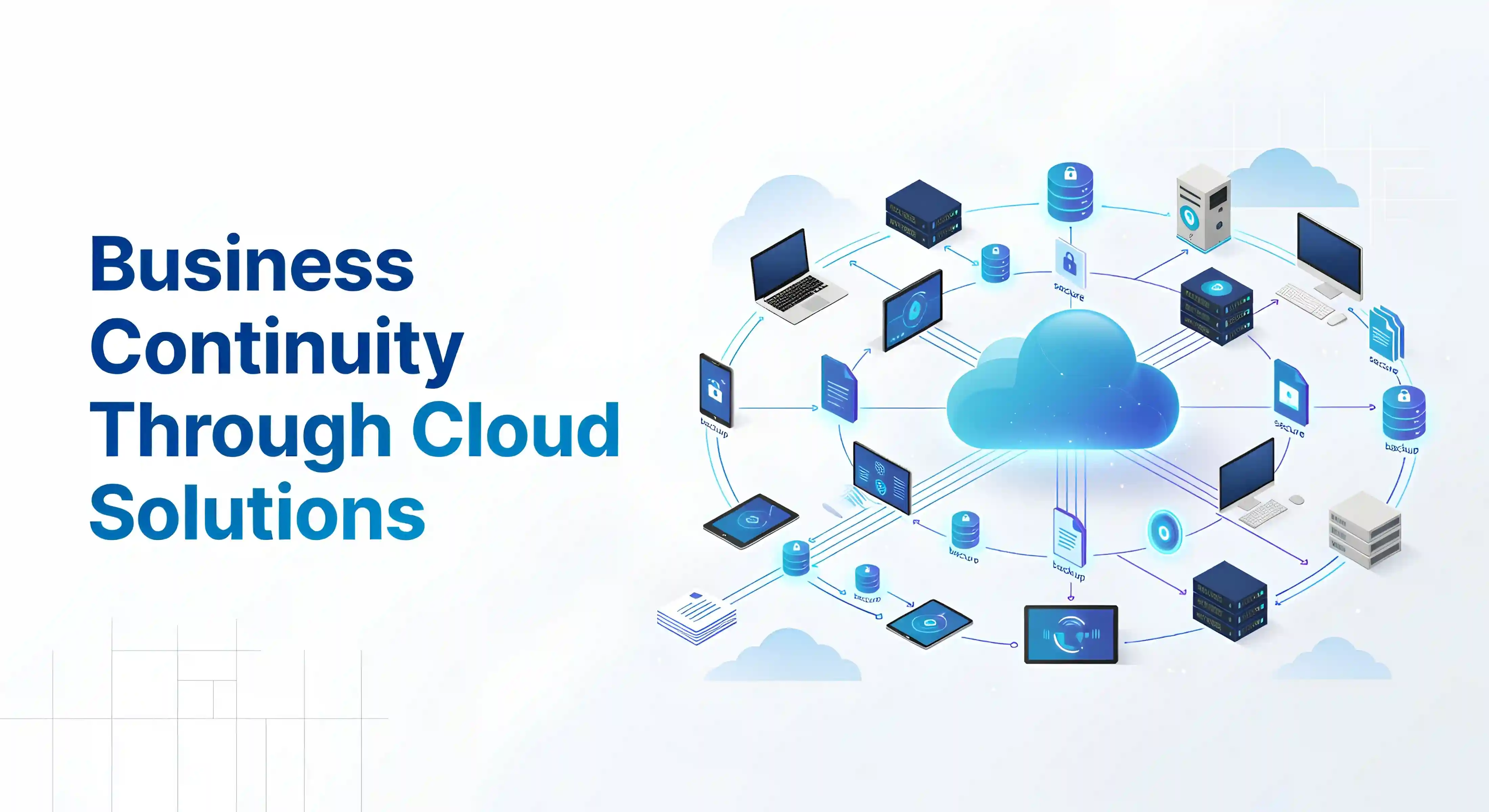
Cloud solutions have a significant role in such preparation. By storing information and software online, companies can let their employees access their services using any devices any place. For businesses planning a stronger resilience strategy, it is also useful to understand how data centers support business continuity in Ghana.
What is business continuity?
Business continuity refers to the capacity of any given company to operate during its encounters with unavoidable issues of various kinds. This clearly points to the fact that firms need to have plans that allow them to ensure smooth performance of their operations in case of any problematic events.
Some events can lead to business interruptions. For example, a power blackout, computer failure, issues with the Internet connection, damage to the office, cyber incidents, accidental deletion or loss of documents or any other failures of equipment may all result in companies being unable to provide their goods and services as they cannot reach their personnel or clients.
Without proper preparation, the rest of such situations can lead to serious delays in functioning because workers of a given company may not be able to access their clients’ information, financial documentation, records, and any other vital applications without proper preparation.
How Cloud Solutions Will Help Businesses Be Active or Open
Access to Important Files From Any Place
An important benefit of cloud computing for companies is accessing data. Instead of putting essential files on computers in the office only, companies can also store their files in safe cloud facilities. If employees have permission and internet connectivity, they can get files from wherever they are. This is helpful in situations when staff cannot reach the office on time or due to other office emergency activities they must attend to.
Keeping Work Going When There Is a Problem at the Office
Different incidents may prevent the office from working properly or being available to workers. For example, there can be power problems, malfunctioning of equipment, destruction of the premises or other unexpected incidents. In this case, cloud solutions reduce the negative effect of these issues because business processes and information do not rely only on the office equipment. Businesses can improve resilience further by choosing data center services designed for uptime and security.
Helping Employees Work Remotely
Remote working is a major component of modern-day business continuity solutions. Cloud-based applications facilitate teamwork, communication, document access and task performance outside the conventional office. This enables businesses to have more flexibility when facing disruptions and ensures that employees can continuously carry out their duties when going to the office is hard.
Protecting Important Business Information
Business data is among the most important assets of an enterprise. It is crucial to protect customer information, financial records, contracts, reports and operating data from theft or illegal invasion. Reliable cloud providers provide services such as data backup, access control systems, data encryption, data recovery systems, etc. Nevertheless, businesses must select trustworthy companies and create the right security policy.
For a stronger protection strategy, businesses should also consider why small businesses need cybersecurity, especially when employees access systems remotely or use cloud-based business applications.
Common Business Problems That Cloud Solutions Can Help with
Power Failures/Outages
Power interruptions might hamper the operation of computers, servers and other office machinery. When crucial systems operate in the cloud, employees will keep working from other computers or locations if there is access to electricity and the network.
Computer or Other Equipment Failure
Broken laptops or faulty office computers can make it impossible for staff to see their files. The cloud enables the reduction of reliance on any single piece of hardware.
Unintentional Loss of Files
Files may be deleted, altered or ruined by mistake. The right backup and recovery services help businesses retrieve the data they need in case something goes wrong.
Office Damage
Fire, flooding, building defects and other events may cause the office to shut down temporarily. Cloud-based solutions enable staff members to get access to the necessary company data and do crucial tasks.
Unexpected Events/Disruptions
Not every disruption is predictable. Cloud computing gives companies more opportunities to have remote access, availability of data, collaboration, and backup. A dependable infrastructure partner can be especially valuable in these situations, which is why companies should assess why a reliable data center is important for businesses in Ghana.
Benefits of Using Cloud Solutions
Less Downtime
Downtime has an adverse effect on business performance, productivity and customer satisfaction; cloud solutions can help in overcoming disruptions.
Easier Access to Information
Employees can access approved company information from anywhere in the world and from any device. This facilitates working in a more effective way without having to rely solely on one computer at the office.
Improved Safety of Business Documents
With the help of cloud solutions, companies can enjoy the benefits of backup and security as well as recovery features which will prevent irreversible data loss.
Easier Remote Work
Cloud-based applications enable employees to collaborate with each other while being engaged in a remote work process from home, in the office or at any other place.
Greater Peace of Mind
Having the knowledge of the fact that some data is backed up provides business owners and employees with a sense of security.
How Businesses Can Get Started
Identify the Most Important Information
The first step when looking to adopt a cloud solution for a business is determining the kind of information and systems needed to effectively run the business. This information can include customer information, accounting systems, employee documents, inventory reports, contracts and communication systems.
Select Appropriate Cloud Services
Not all cloud services are suitable for every business. Companies must keep their requirements and characteristics in mind before selecting a given service based on their business requirements, need for security, budget, storage space, user accessibility and recovery methods. Reviewing the available data center solutions for Ghanaian businesses can help decision-makers identify services that support their operational and recovery requirements.
Develop a Backup Plan
Cloud storage always comes with auto backups that store any important information with the business, ensuring that they know how to retrieve lost information.
Create Clear Rules and Guidelines for Employees
It is necessary to ensure that employees are aware of how to operate cloud storage safely. Being informed means ensuring that the employees know what to do regarding passwords, rights of access, data-sharing practices, the security of devices and using mobile devices enabled for company business.
Perform Frequent Checks on the Plan
Having a plan for continuity does not mean that the plan will always work. Businesses must continually update their old plan to the current requirements.
To Wrap-Up
Calamities in the corporate world can rise at any point in time. These may take place due to failure of machinery, loss of information due to some mistakes, disasters occurring in buildings and so on. A small incident can paralyse the whole production process if the entity has not made necessary preparations for such an event.
Businesses will benefit from cloud technologies to ensure quick recovery from calamities. Cloud computing technologies will help businesses to easily have access to any sort of data and perform work remotely.
The businesses who want to stand firm against any calamities should transfer their chosen information to cloud storage.
Frequently Asked Questions
What do you mean by inventory tools?
Inventory tools are software systems that assist commercial enterprises in keeping track of available goods, the quantity of goods, their purchases and sales and so on. Inventory tools accomplish tasks of interpreting sales made and of identifying situations when new supplies are needed.
How does a cloud-based inventory tool help ensure business continuity?
The cloud storage of inventory allows managers to access important data on inventory from any location. Employees will be able to continue monitoring stock, processing orders, and making purchase decisions even when they are unable to go to the office.
Why is having an accurate inventory important during times of business disruption?
Having accurate information about existing stock enables companies to meet client requests. When business organisations have no access to their inventory, they may become unable to fulfil orders on time which may result in poor customer service.
Do cloud-based inventory tools ensure security?
The level of security depends on the provider, especially on the way the tools are configured and on the way the employees of the company use the tool. Therefore, when choosing cloud-based inventory tools, business organisations should consider features such as user permissions, authentication, encryption, backups and regular security updates.